Rumoured budget bank tax would raise £5.8 – 7.6bn by end of the parliament
In 2027-2028 the restoration of the bank surcharge would reclaim £1bn of the biggest four banks' projected £31bn profits
26 October 2026


The rumoured restoration of the surcharge banks pay on their profits in the budget would see the Treasury take £5.8bn in revenue from commercial banks by the end of the parliament, according to analysis by the New Economics Foundation (NEF).
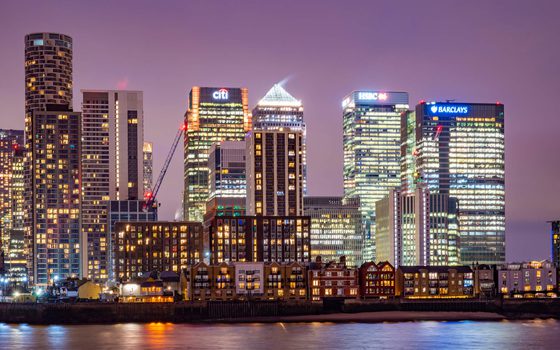
NEF’s research revealed that, in 2027 – 28, the surcharge increase would represent a tiny fraction of the big four banks’ (Barclays, NatWest, Lloyds and HSBC) overall profit. With £1bn of projected £31bn profit (before all taxes borne) taken up by the tax change.
The chancellor is rumoured to be planning to reverse the reduction in the surcharge banks pay on their profits made by then chancellor Jeremy Hunt restoring it to 8% in the budget on Wednesday.
Commercial banks have made windfall profits in recent years as a result of high interest rates and the Bank of England’s quantitative easing programme, resulting in an effective subsidy by stealth from the taxpayer to commercial banks. Banks have also profited from the difference in interest rates offered on lending products, like mortgages, compared with what they offer on savings accounts.
Abhijay Sood, economist, NEF, said:
“Since the financial crisis, the government has propped up the financial system with free money and since at least 2022, this has been at a direct cost to the British taxpayer.
“The interest paid by the Bank of England to private banks on their reserves has pushed the Bank into a loss. The Treasury underwrites this cost. In other words, instead of making inflation-busting investments in our future, or supporting the most vulnerable families in the country, we’re handing money over to the finance sector. A stronger tax than the one proposed should be implemented by the Chancellor to recover this subsidy that banks clearly no longer need.
“The public helped the banks immensely after the financial crisis, with bailouts and quantitative easing; this stealth subsidy is a continuation of that support. It is only right that now, as yet another energy crisis unfolds, the banks pitch in to help ensure the essentials of life are affordable for ordinary people.”
Alternative models for taxing commercial banks include direct taxes on their net interest income, such as the one suggested by Positive Money, or IPPR’s even more targeted proposal. In the long run, NEF recommends a tiered reserves policy, which would change the amount of interest the Bank of England pays to commercial banks, cutting a key element of excess profits off at its source.
ENDS
Notes
The New Economics Foundation is a charitable think tank. We are independent of political parties and committed to being transparent about how we are funded.
More details on NEF’s analysis is available here: https://neweconomics.org/2026/10/interest-overdue-why-the-time-is-right-for-a-tax-on-banks
Revenue projections included in this press release assume baseline profit growth in line with the OBR’s March 2026 projections, tax elasticities in line with academic studies and previous HMRC modelling, and revenue and profit figures from the banks themselves.